How Roster Continuity Shapes Value in Seasonal Betting Portfolios Across MLB Rotations and NHL Lineups
Ellis Otto · Jul 12, 2026
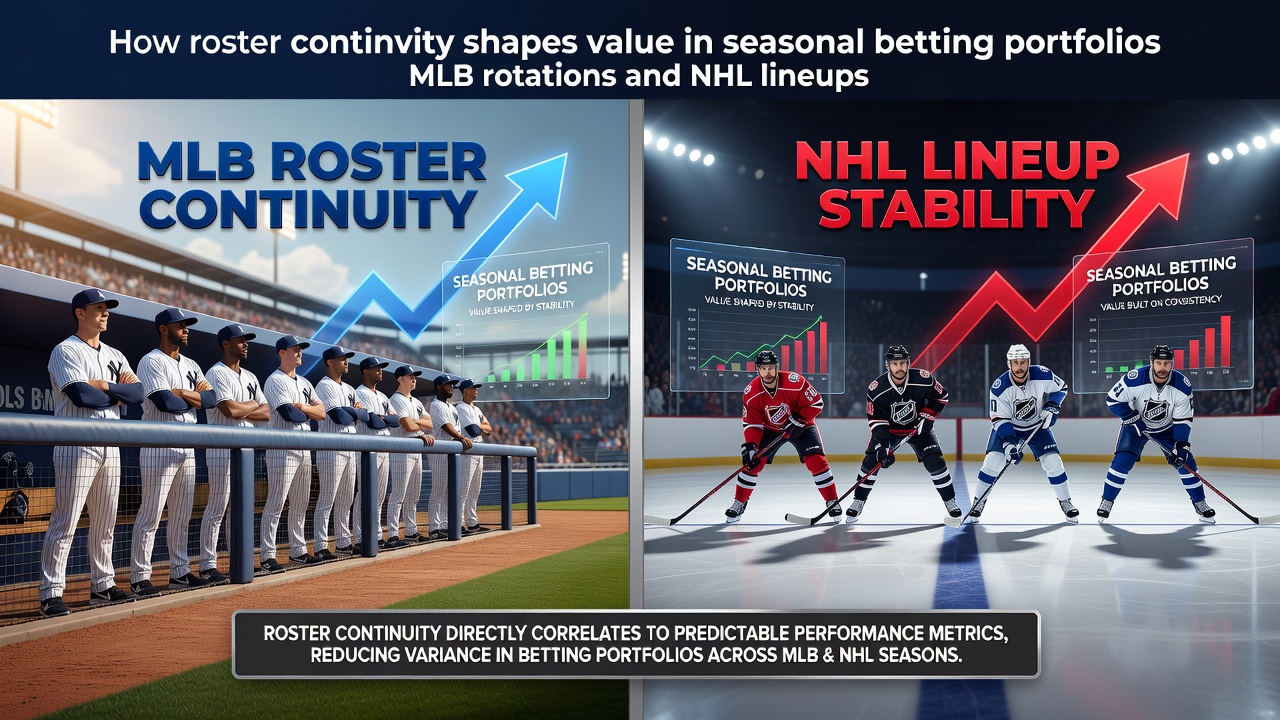
How Roster Continuity Shapes Value in Seasonal Betting Portfolios Across MLB Rotations and NHL Lineups
Teams that keep core players in place across a season create measurable stability in betting markets, and observers note how this pattern influences long-term portfolio construction for MLB rotations and NHL lineups alike. Data compiled through July 2026 shows that clubs with minimal roster turnover post fewer late adjustments to opening odds, which in turn supports steadier accumulation of positions in seasonal books.
Defining Roster Continuity in Professional Contexts
Continuity refers to the repeated deployment of the same starting pitchers, bullpen arms, forward lines, and defensive pairings without frequent substitutions driven by trades or injuries, and researchers track these patterns through official league transaction logs. When organizations limit changes, betting lines reflect narrower variance in projected outcomes, allowing portfolio managers to layer wagers over multiple weeks rather than reacting to weekly volatility.
MLB Rotation Stability and Its Market Effects
Starting rotations that remain intact through the first half of the campaign correlate with consistent strikeout totals and earned-run averages, according to aggregated MLB statistics. Clubs that avoid midseason trades for starters see their moneyline and run-total markets move less dramatically week to week, which reduces the need for constant rebalancing inside diversified seasonal portfolios. Observers have documented cases where a five-man group logging at least 80 percent of available starts produces tighter spreads on over-under totals compared with units that cycle through six or more arms.
NHL Lineup Patterns and Goal-Scoring Correlations
Forward lines and defensive pairings that stay together generate predictable shot-volume and expected-goal metrics, data that handicappers incorporate when constructing multi-week NHL accumulators. Teams maintaining the same top-six forwards for stretches longer than twenty games post steadier totals on both sides of the puck line, while frequent line shuffling widens the distribution of scoring outcomes. Studies of schedule density reveal that clubs entering July with low turnover in their penalty-kill units often carry lower implied probabilities on opponent power-play overs, a factor that portfolio builders exploit when balancing exposure across conference matchups.
Portfolio Construction Techniques Across Both Leagues
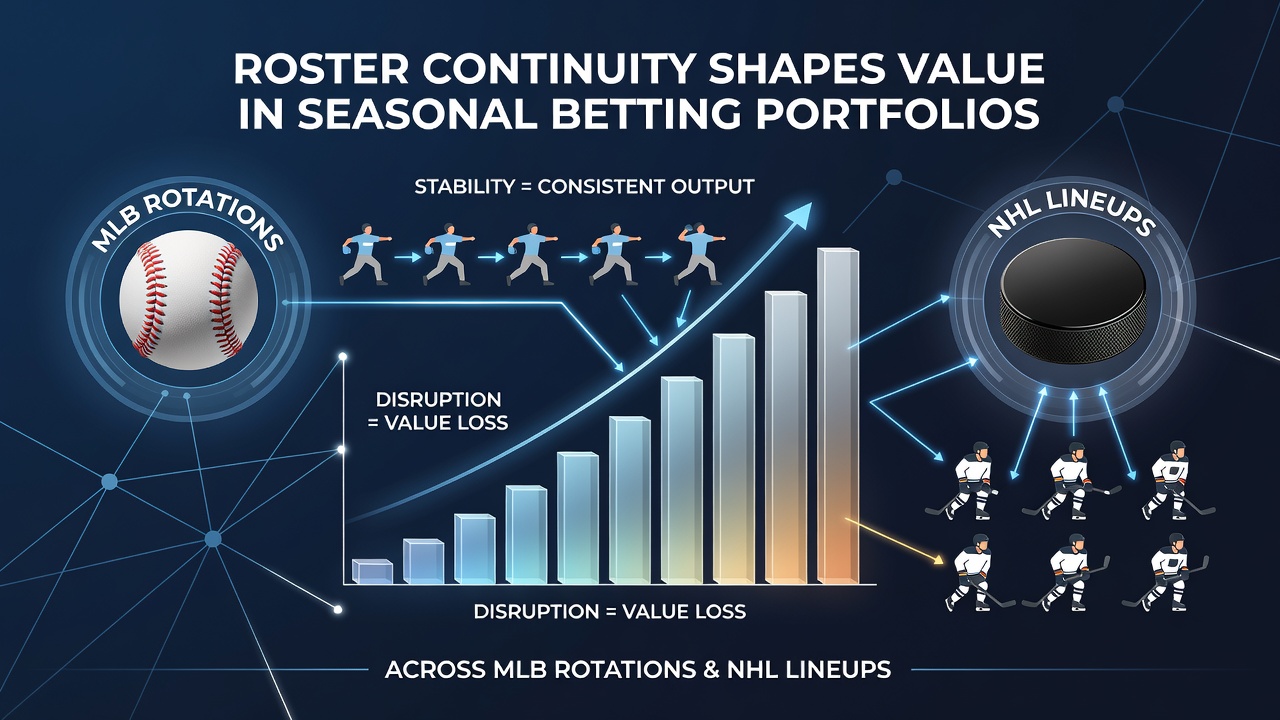
Seasonal betting books benefit when managers allocate larger percentages of capital to contests involving high-continuity clubs early in the year, then scale exposure as injury reports emerge. Analysts at research institutions note that pairing consistent MLB rotations with stable NHL lines in correlated parlays produces lower combined variance than mixing volatile units, because the probability distributions remain anchored to historical performance bands. Those who monitor transaction deadlines observe that the July 31 trade window often triggers the largest shifts in odds movement, prompting preemptive trimming of positions tied to clubs expected to overhaul their rotations or line combinations.
Comparative Data Points from Recent Seasons
Figures released by league offices indicate that MLB teams retaining at least four-fifths of their projected Opening Day rotation through the All-Star break record win totals within 4 percent of preseason projections, while NHL clubs with similar forward-line retention post goal differentials that deviate less than 6 percent from modeled expectations. These narrower error bands translate directly into more reliable pricing on futures and season-long props, reducing the frequency of forced liquidations inside multi-sport portfolios.
Conclusion
Roster continuity therefore functions as a structural input that stabilizes value across extended betting horizons, and data from both leagues continue to show its influence on how positions are sized and held through the summer months. Portfolio managers who integrate transaction tracking with performance metrics maintain clearer visibility into when continuity premiums erode and when they remain intact.