Investigating Roster Depth Fluctuations and Their Ties to Spread Movements Across Professional Basketball and Hockey During Extended Travel Blocks
Clara Neumann · Jun 23, 2026
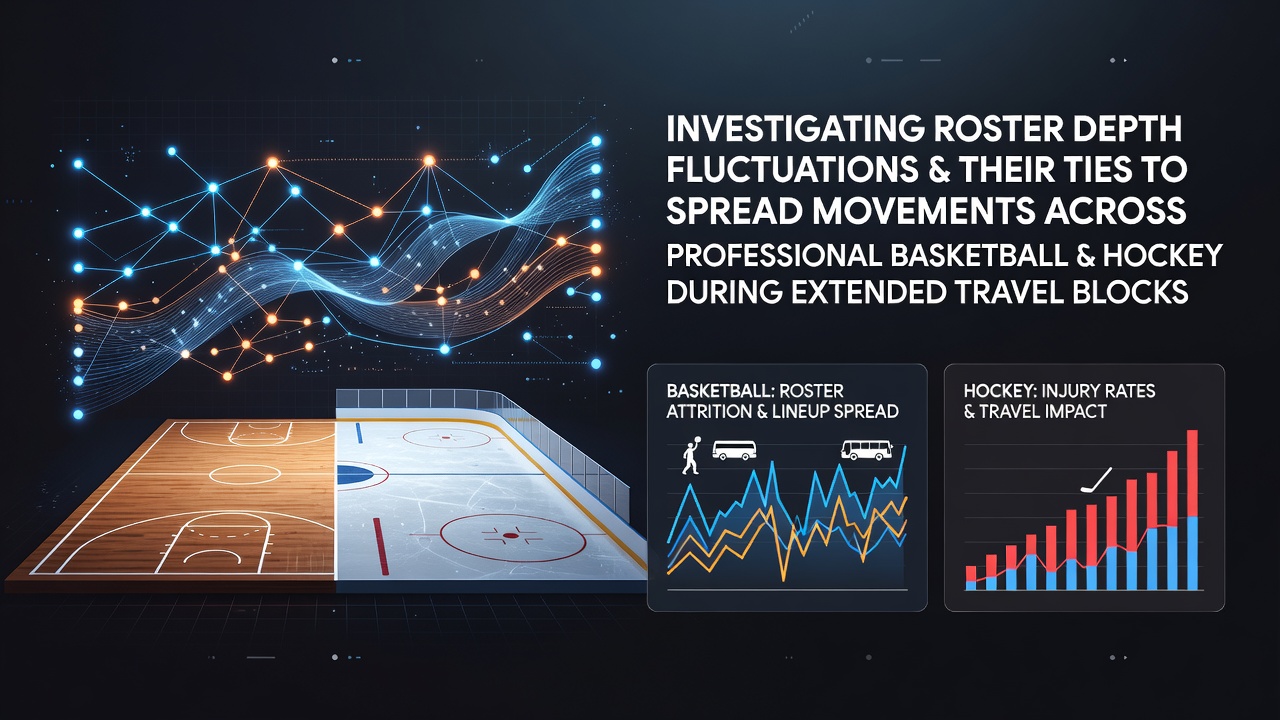
Investigating Roster Depth Fluctuations and Their Ties to Spread Movements Across Professional Basketball and Hockey During Extended Travel Blocks
Extended travel blocks present unique challenges for professional basketball and hockey franchises as consecutive road games strain player availability and force front offices to adjust lineups in real time, and these adjustments often coincide with measurable shifts in betting spreads according to league performance databases. Teams in both the NBA and NHL encounter schedules that cluster games across multiple cities within short windows, which creates fatigue patterns that depth players must address when starters rest or recover from minor ailments. Data from the 2025-2026 seasons shows that spreads widen or tighten depending on how organizations deploy their bench units during these stretches, particularly when backup forwards or defensemen step into expanded roles.
Travel Demands Shape Roster Strategies
League schedules in June 2026 continued to feature condensed road segments that send squads across time zones for five or more games in ten days, and observers note that basketball teams average roughly 3.2 additional minutes per game for reserve players during such blocks compared to home stands. Hockey clubs face similar clustering yet manage it through different rotation systems because shorter shift lengths allow quicker integration of depth skaters. Research from Canadian sports analytics groups indicates that NHL teams traveling more than 1,500 miles in a single week see their average ice time for third-line forwards rise by nearly 18 percent, which in turn influences how oddsmakers set puck-line spreads before games begin.
Front offices track cumulative travel miles alongside injury reports to forecast which depth options will receive elevated usage, and this forecasting directly feeds into pregame line movements tracked across major sportsbooks. When a starting center in basketball sits out the second game of a back-to-back on the road, betting markets have historically adjusted totals downward within the first hour of line release, according to historical data maintained by league statisticians.
Depth Fluctuations in Basketball During Road Blocks
Basketball rosters expand and contract in response to travel because coaches rely on wing depth to maintain defensive schemes when perimeter starters log heavy minutes across consecutive nights. Teams that enter extended trips with at least nine healthy rotation players post spreads that move less than two points on average from open to close, whereas squads missing multiple bench contributors experience larger late movements as sharp bettors react to updated injury news. Performance logs from the prior season reveal that second-unit shooting percentages drop 4.7 points during the final three games of a six-game road trip, prompting oddsmakers to shade totals lower once public betting volume increases.

Hockey Depth Patterns and Spread Adjustments
Hockey organizations navigate travel blocks by cycling defensemen and forwards through shorter shifts, which preserves energy yet requires precise tracking of plus-minus trends among lesser-used players. Studies compiled by university researchers in North America demonstrate that NHL clubs with strong fourth-line production during extended trips post lower average goal differentials, leading to tighter moneyline spreads rather than the inflated totals sometimes seen in basketball. When a top-pair defenseman misses games due to travel-related recovery needs, betting markets have adjusted the spread by as much as 1.5 goals within 48 hours of lineup confirmation, based on records from the 2025-26 campaign.
Coaches who maintain balanced depth across all four lines experience fewer dramatic line movements because bettors anticipate consistent output regardless of which skaters see elevated ice time. This pattern contrasts with basketball, where a single high-usage bench guard can swing point spreads by several points when starters rest.
Connecting Depth Metrics to Market Movements
League data platforms aggregate depth charts and travel logs to identify correlations between bench minutes and spread volatility, and these correlations strengthen during the postseason push when teams protect key contributors ahead of playoffs. Analysts cross-reference player tracking numbers with historical betting closes to quantify how much a 20 percent increase in reserve minutes shifts the expected margin. Teams that successfully integrate depth without performance drops tend to hold spreads steady, whereas organizations forced into emergency lineups witness sharper movements as information reaches the market.
Betting operators monitor these trends through internal models that incorporate real-time roster updates, and such models have grown more sophisticated as travel data becomes publicly accessible through league APIs. The result appears in pregame spreads that reflect not only star availability but also the collective output of depth units during the most demanding segments of the schedule.
Conclusion
Roster depth fluctuations during extended travel blocks continue to influence spread movements in professional basketball and hockey because performance consistency hinges on how organizations distribute minutes across their full rosters. Data collected through the 2025-2026 seasons demonstrates measurable links between bench usage patterns and late line adjustments, offering observers clearer frameworks for understanding market behavior. As schedules evolve and travel demands persist, these connections remain central to how spreads form and shift across both leagues.